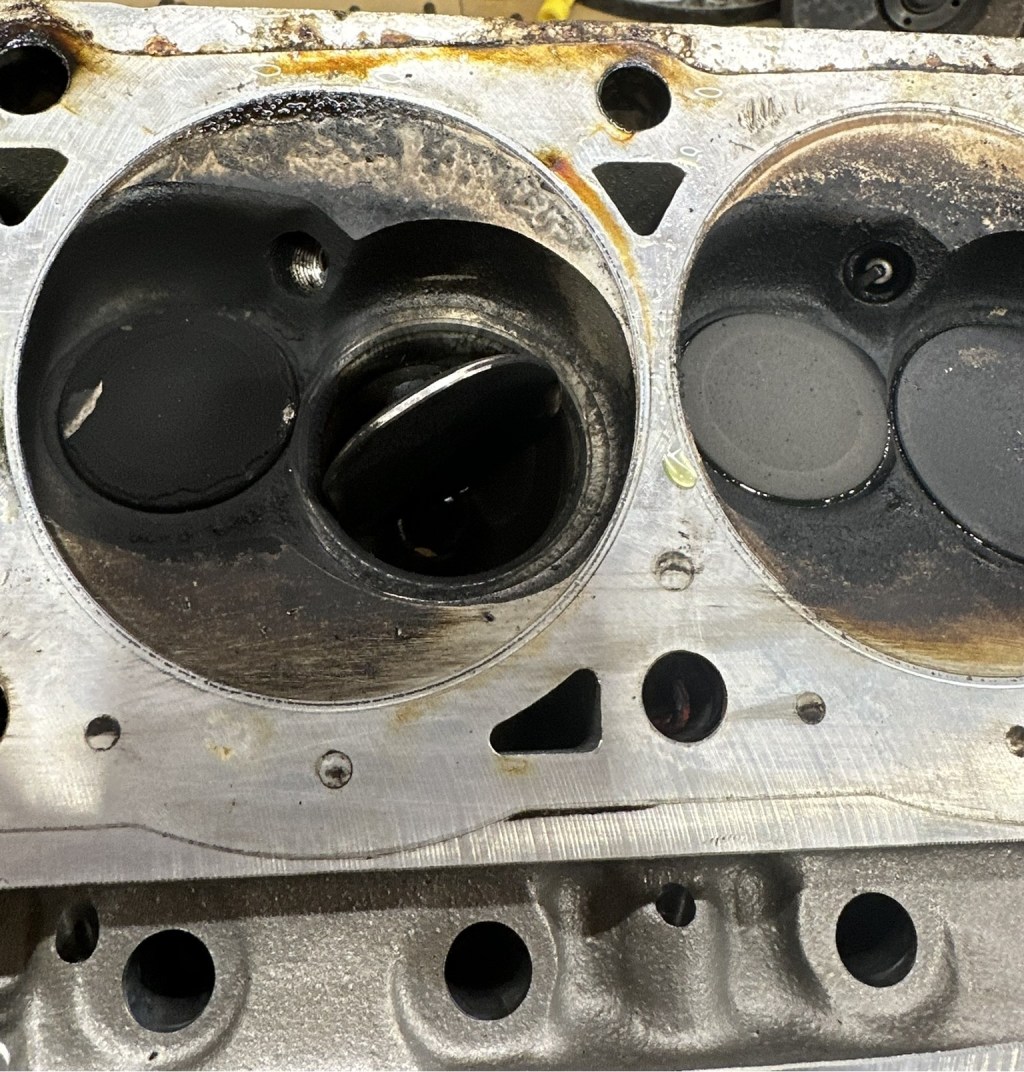
Not much to report between the years of 2022 and 2024 until, in late September, disaster struck.
But let’s back up.
For those three years, I enjoyed driving the car around my town any chance I could. Even the lamest excuse was enough of a reason to take it out of the garage and go for a spin, whether it was quickly down to the hardware store for a single screw or a spare fifteen minutes for a quick sunset cruise. If I could justify taking it out for a rumble, the two of us were on the road.
In March of 2024, I went back to Vermont because my mom passed away. During the trip, I was able to visit the Roscoe’s home and catch up with some old friends. We reminisced about old times and I caught them up in person about what I’d done with the car.
Back home that September, I made a trip over to Home Depot (the single screw run strikes again) and on the way back, while accelerating hard in first and making a quick shift to second, I noticed the engine making a knocking sound. Concerned, I headed for home and immediately parked it in the garage with a plan to look it over that winter.
The noise it made sounded like a connecting rod bearing knocking, which would require an entire engine overhaul. My Christmas bonus that year was money to be able to do just that.
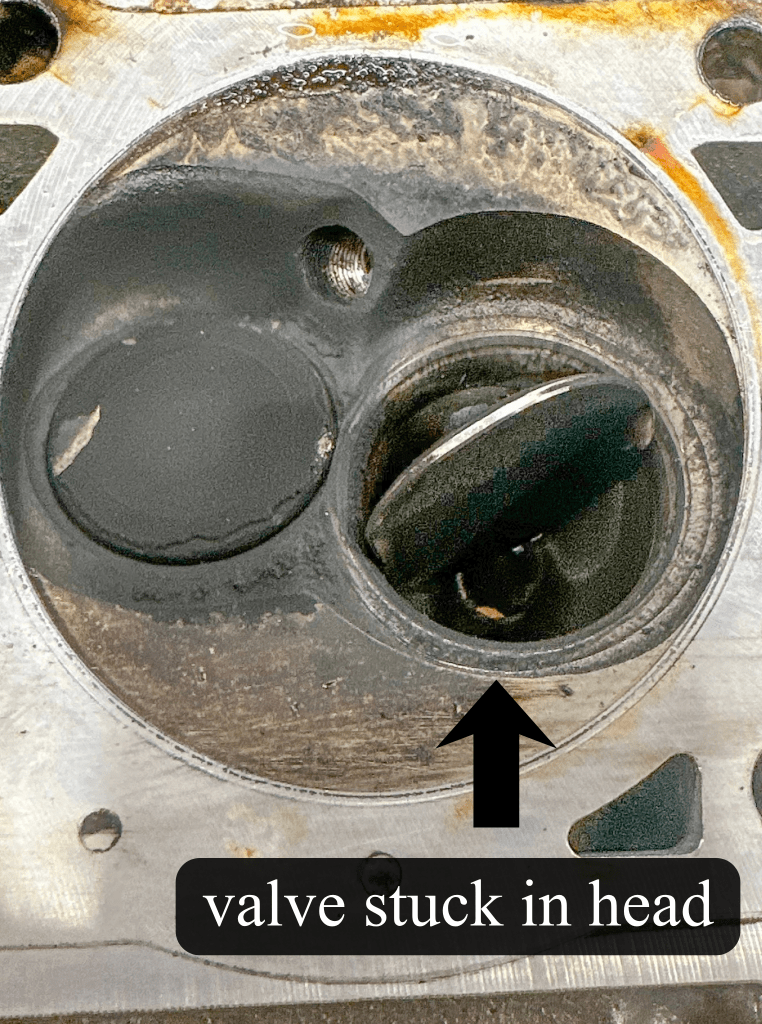
The following April, I diagnosed the problem to be an issue with the cylinder head and not a connecting rod bearing failure, like I’d previously thought. We removed the cylinder head and found the intake valve broken off and jammed back into the head.
Back in 1996, when Scott installed these heads and the camshaft, he used the stock pushrods, which were too long. This caused the rocker arm to push the valve down at a slight angle which wore out the valve guide, causing the valve to hit the piston and damage the cylinder head.
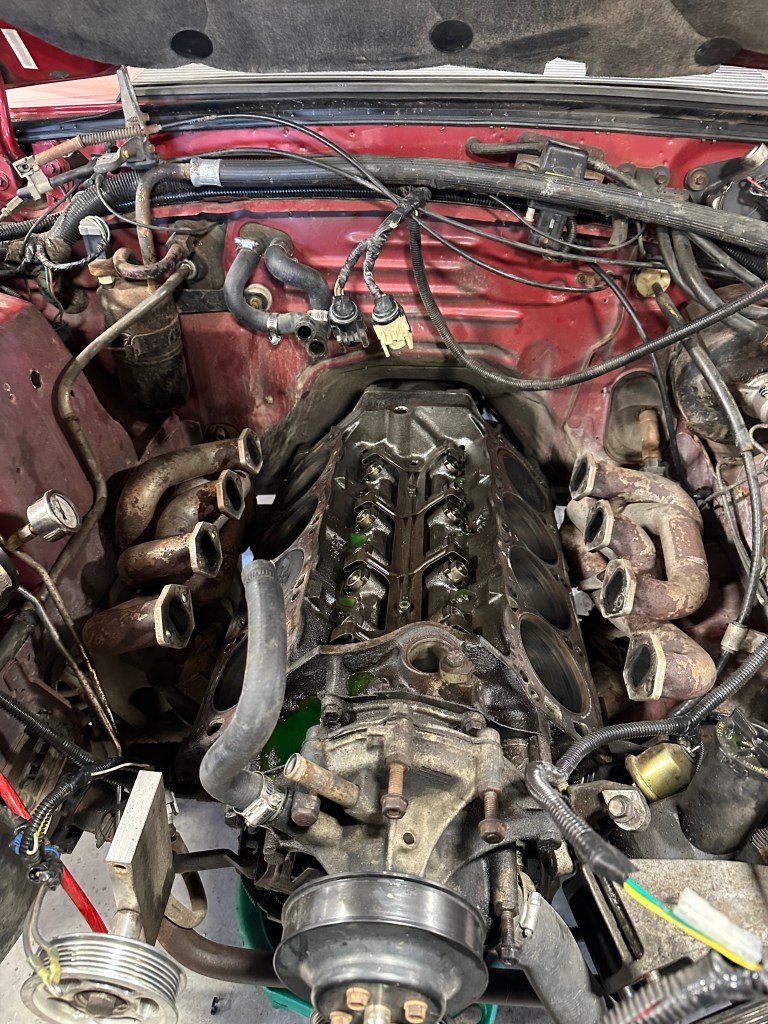
At that point, I was thinking about fixing only the heads and calling it good because it didn’t necessarily need the entire engine rebuild, but in reality the engine had about ninety-four thousand miles on it. I ultimately changed my mind, decided it needed a refresh, and pulled the engine and transmission.
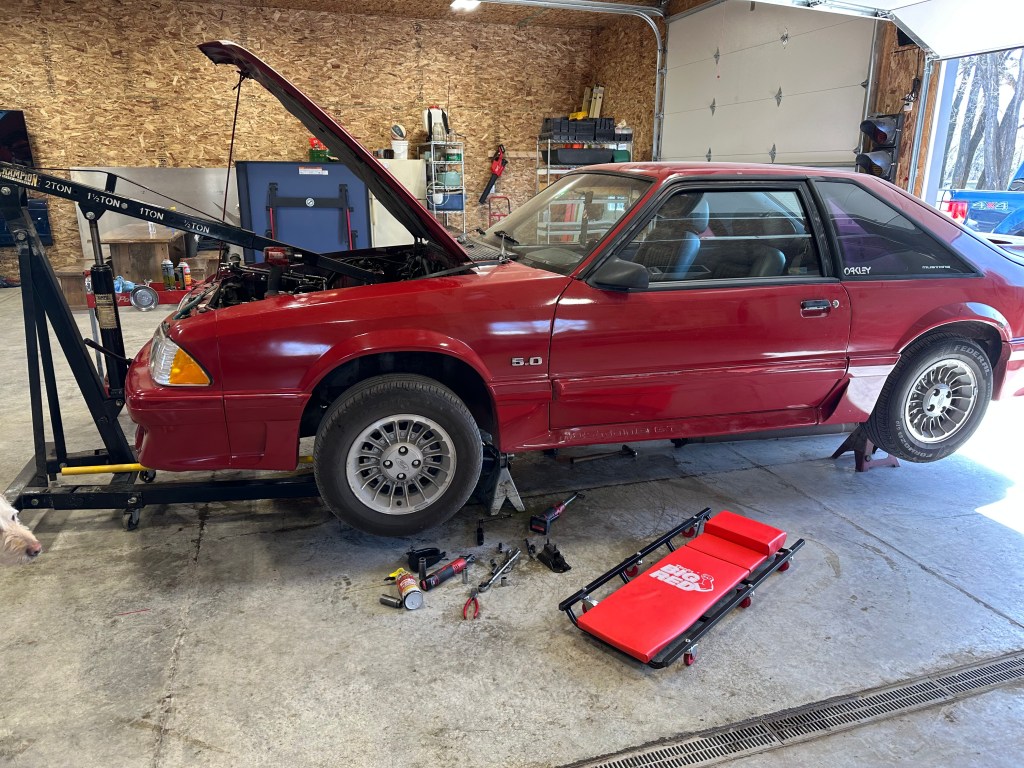
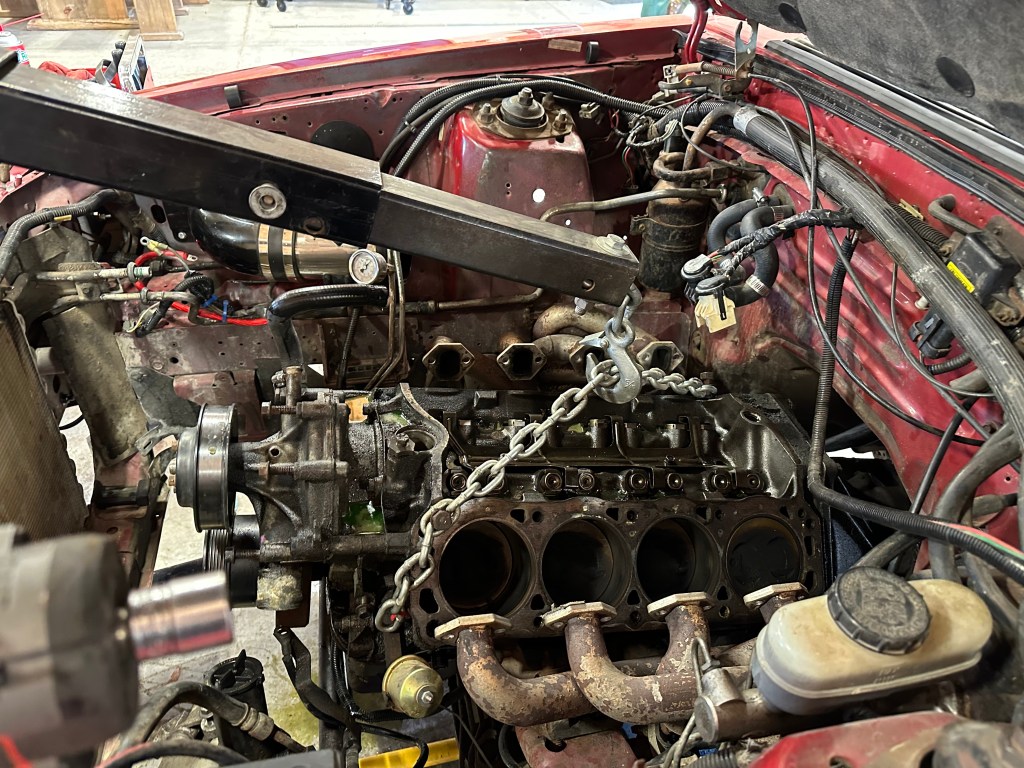
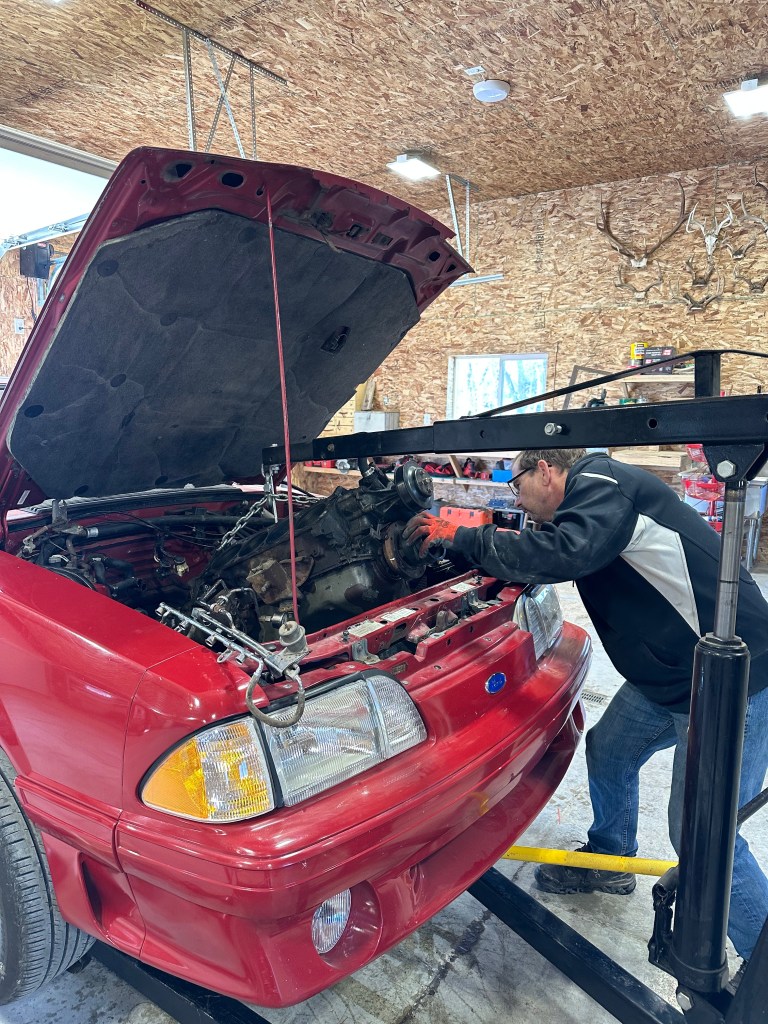
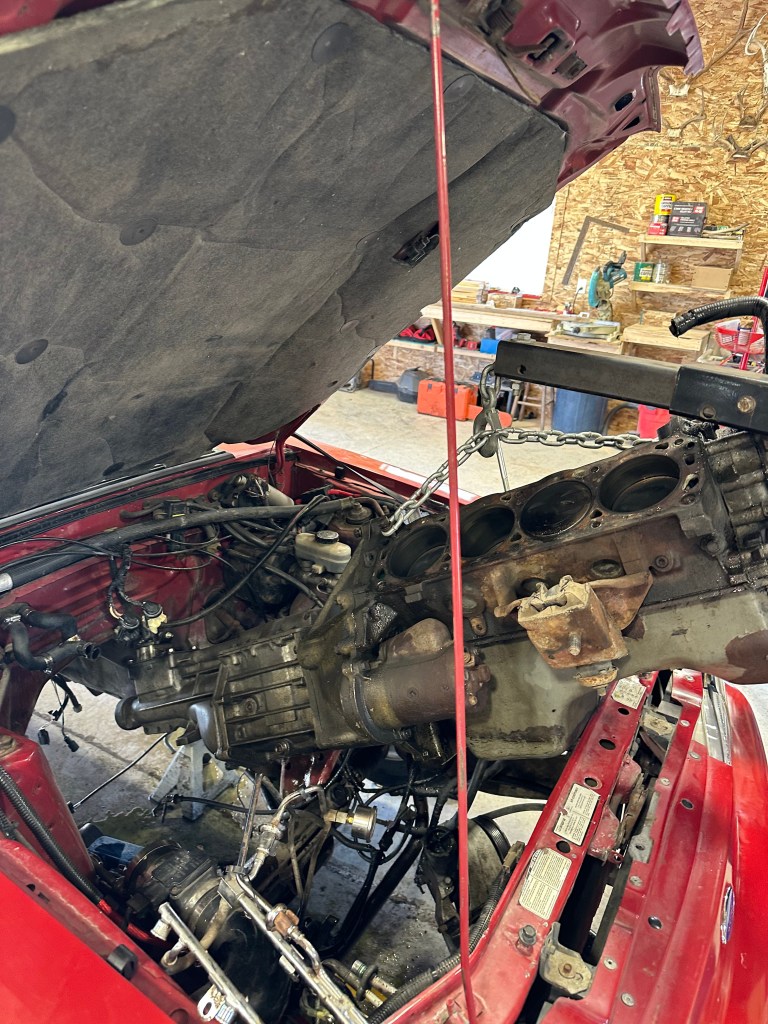
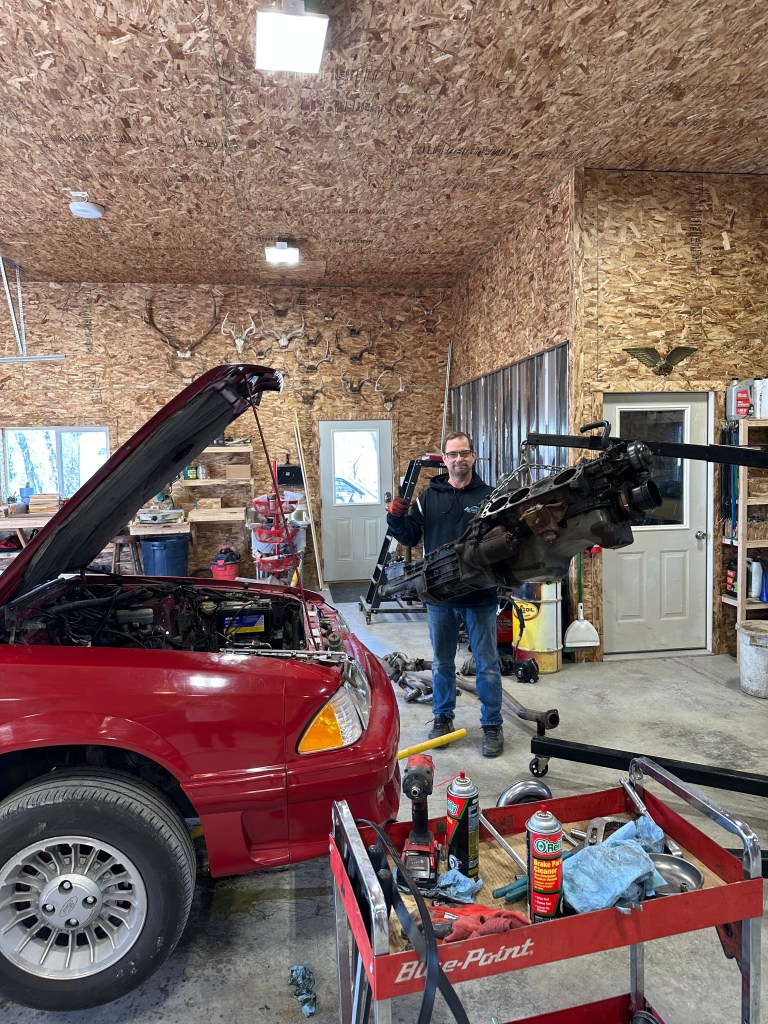
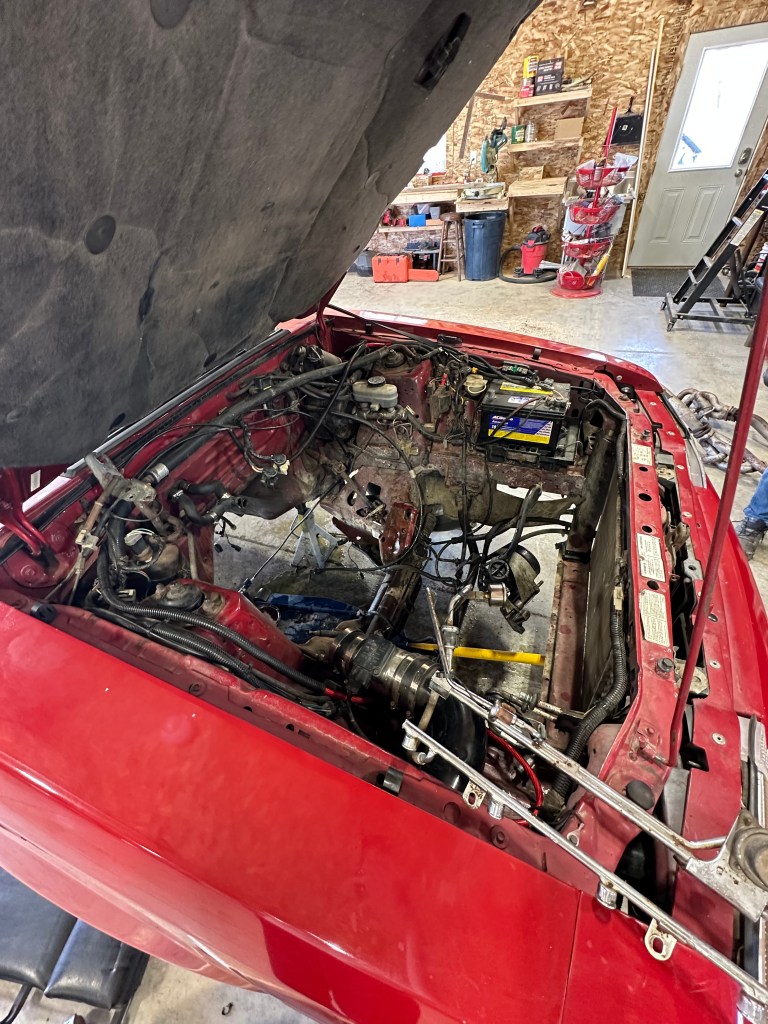
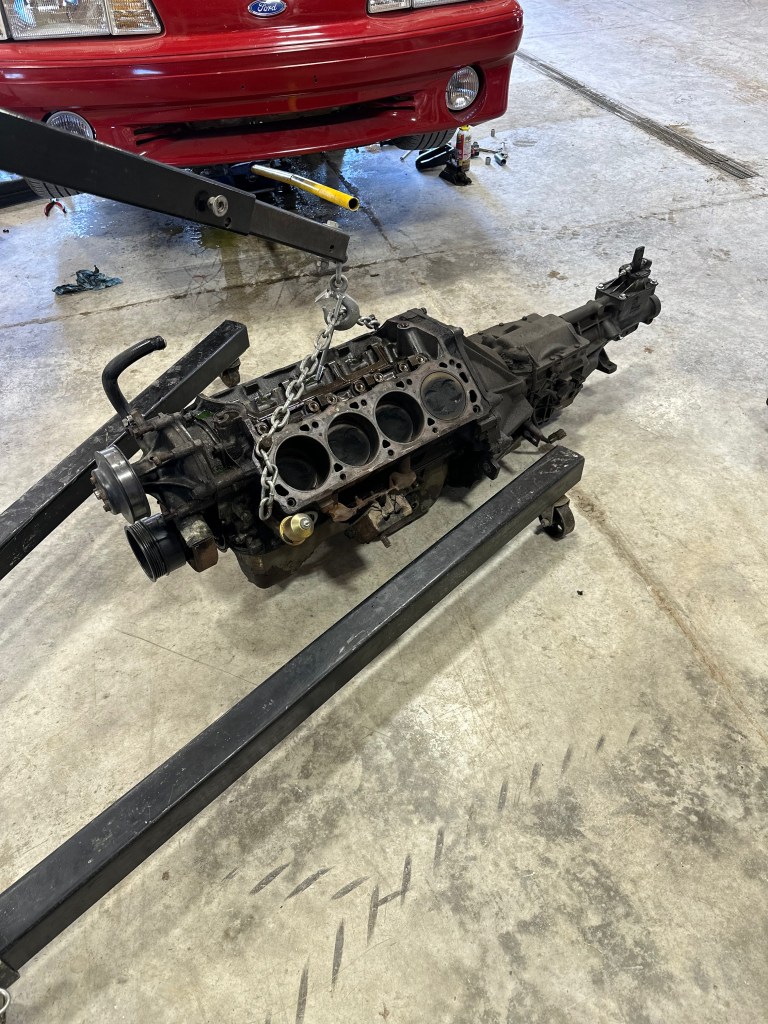
I had the machine shop inspect the block. It was bored .030, the main journals were line-honed, they installed new cam bearings, the connecting rods were reconditioned, and ARP rod bolts were installed. The crankshaft was polished and we went with hypereutectic 10:1 compression pistons. This entire rotating assembly was then balanced.
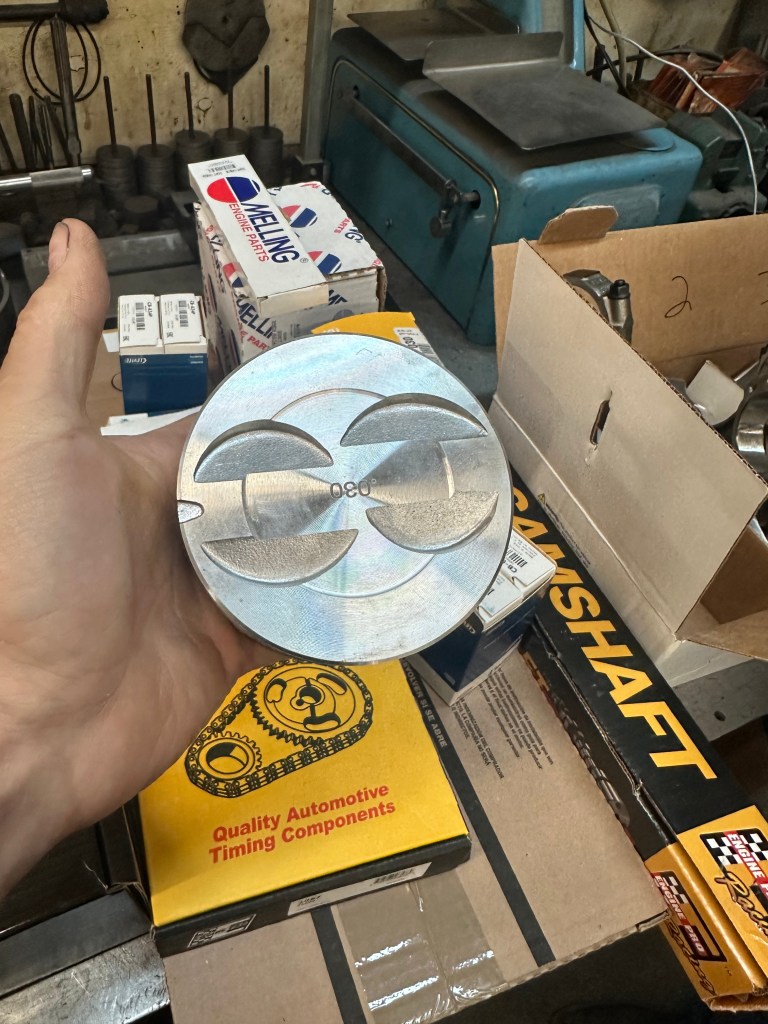
They were able to repair the damage to the broken cylinder head. To correct that problem, new trick flow rocker arm studs and guide plates, 1:7 roller rockers, and the correct length of pushrods were used.
The shop supplied an Engine Pro Performance camshaft MC24280 with .542 lift with 230 degrees of duration and 110 degrees of lobe separation.
I was going to assemble the engine myself, but after talking with Jesse at the machine shop, I decided to have him assemble it. He assembled the entire engine, degreed the camshaft, balanced the clutch assembly, and supplied a 7-quart Milidon oil pan.
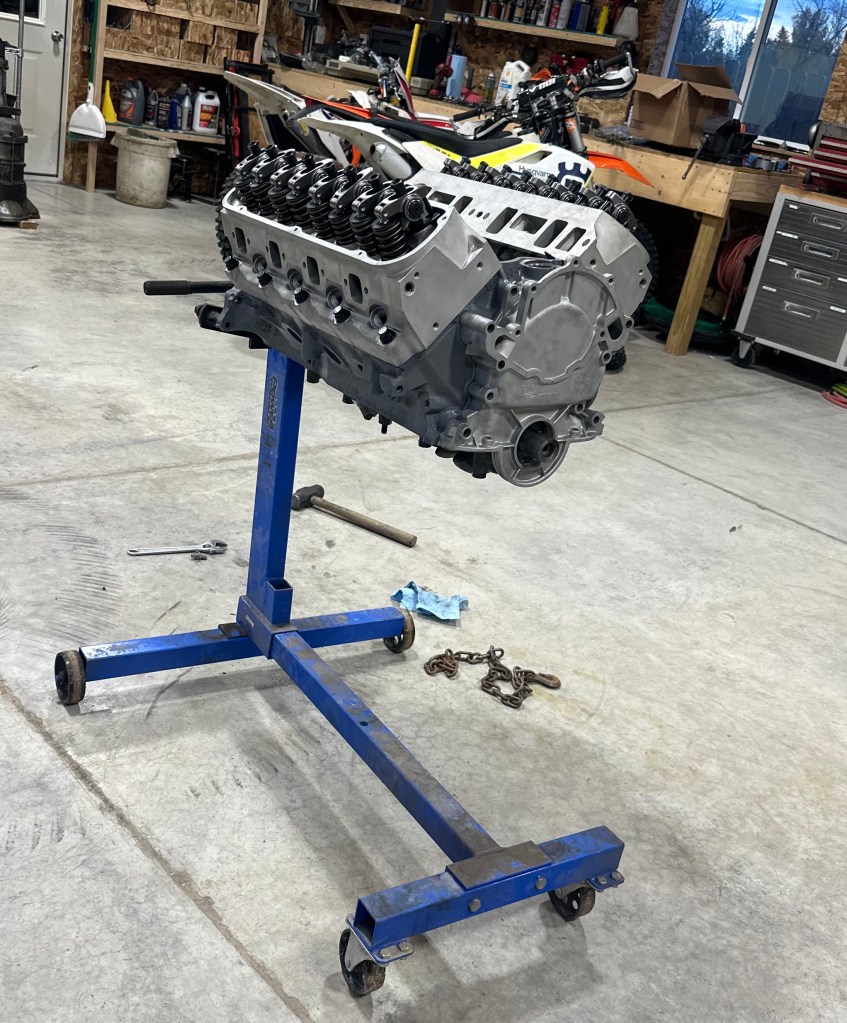
Due to the new valve train, I had to use taller valve covers. I decided to wrap the headers in titanium header wrap as well to keep the under hood temperature down. I installed locking header bolts, too.
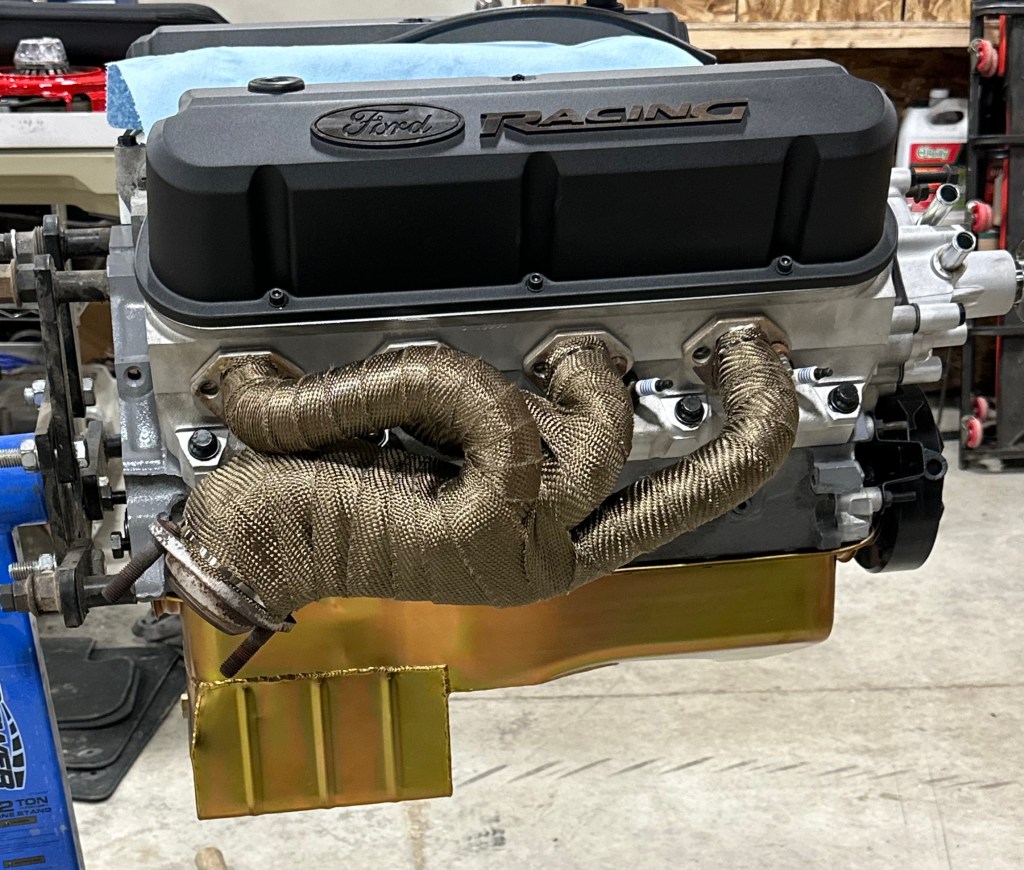
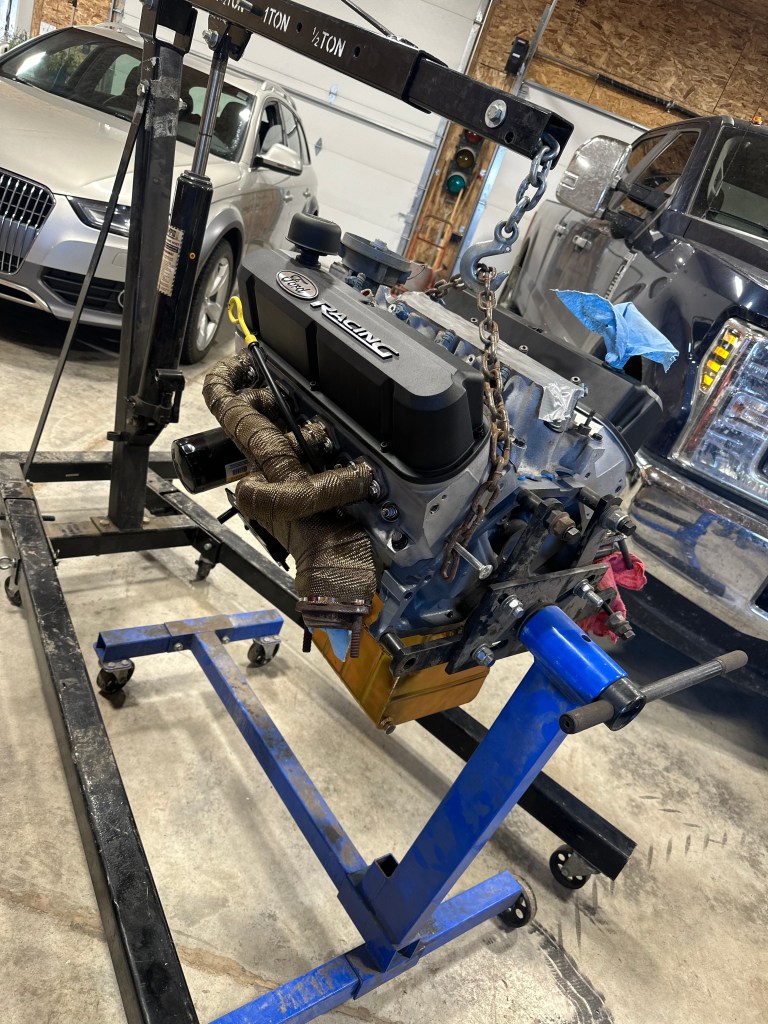
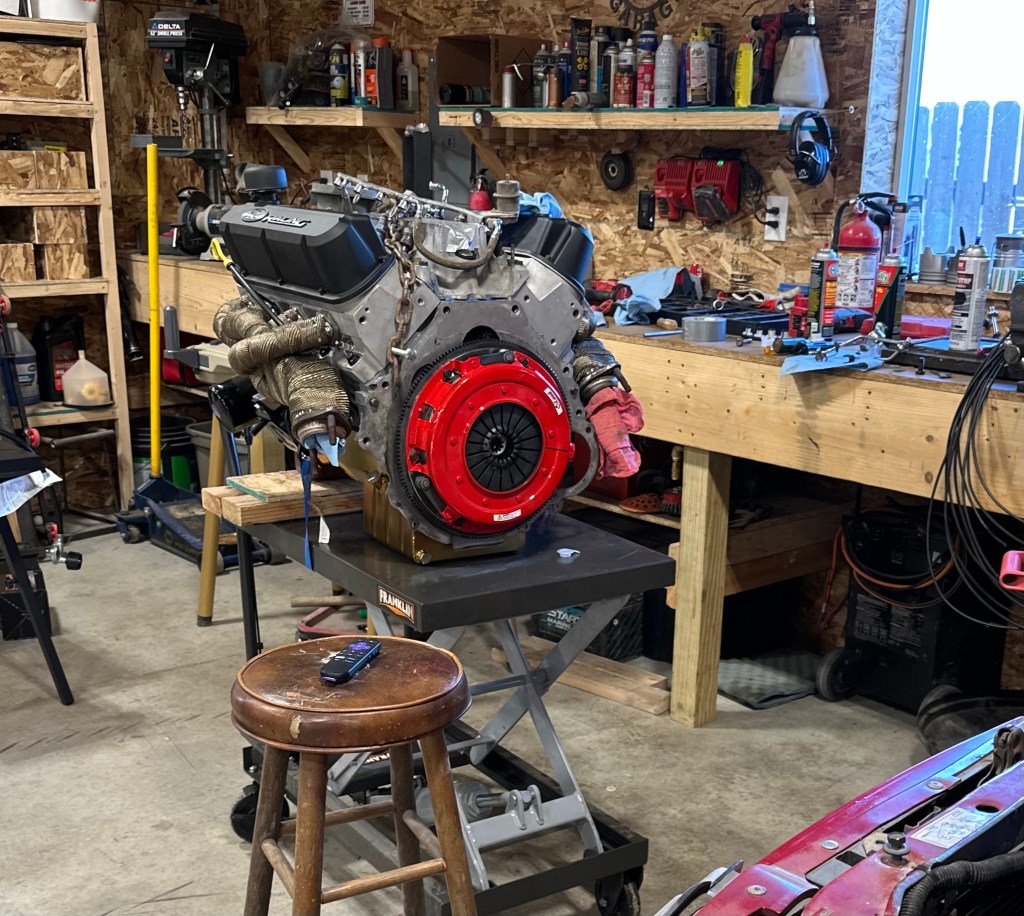
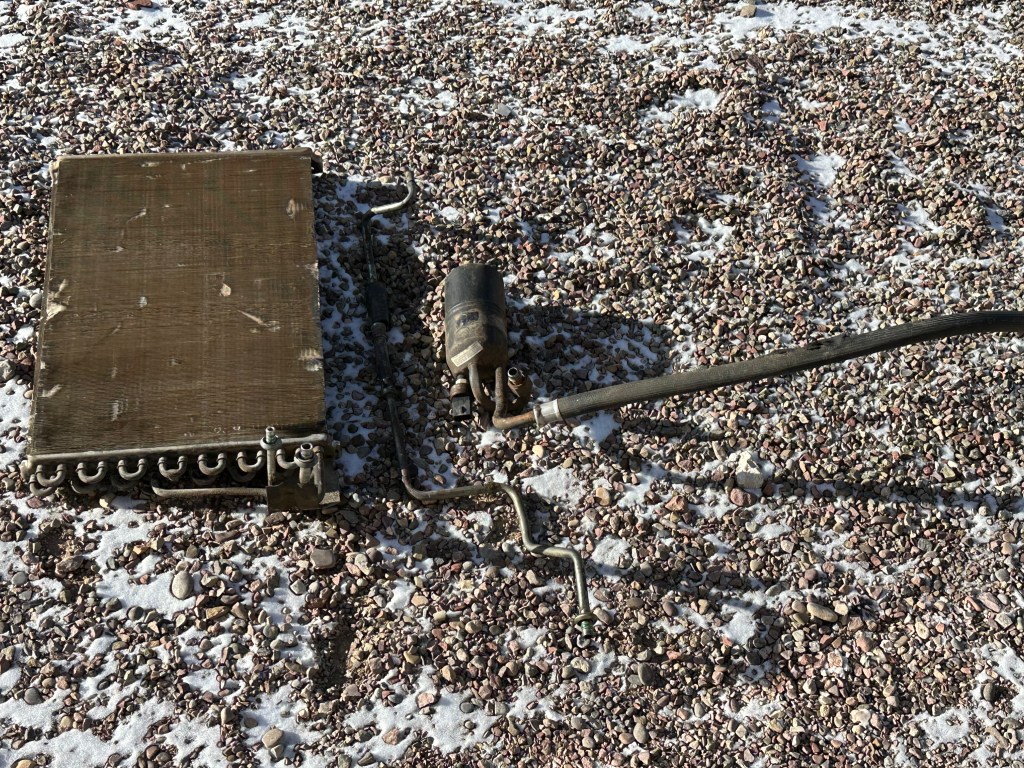
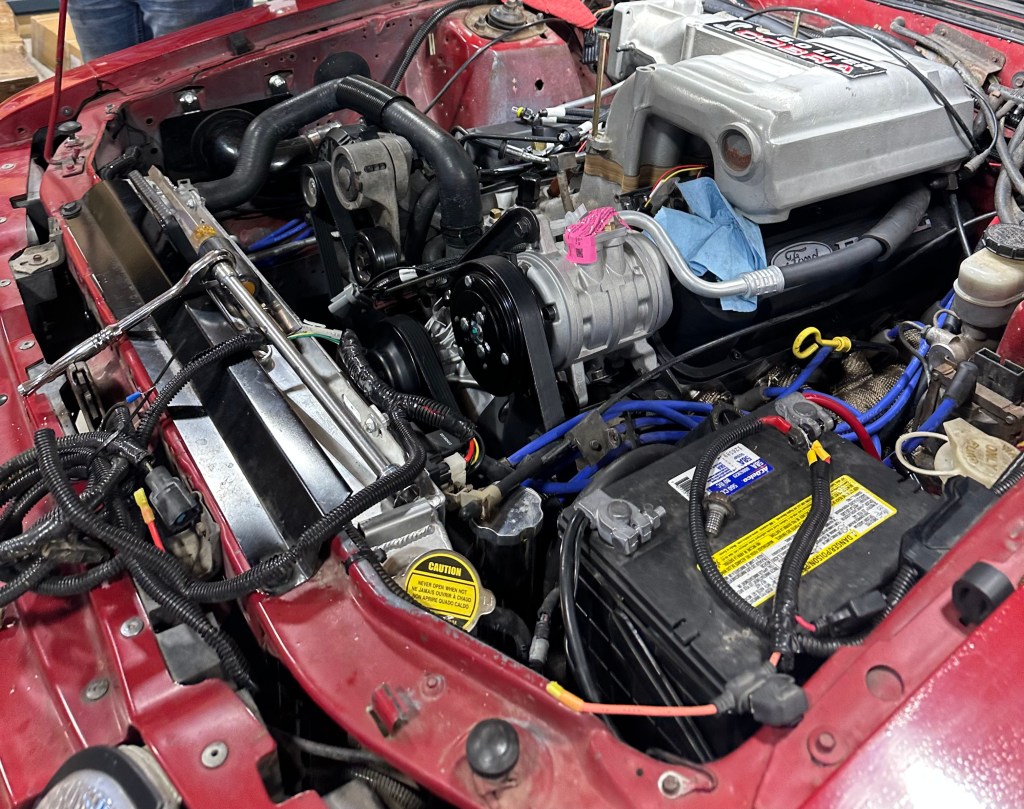
Years prior, I’d been gifted a complete air conditioning R-134A retrofit kit with a new AC compressor. So, while the engine was out, I pulled out the old parts and installed the new ones.
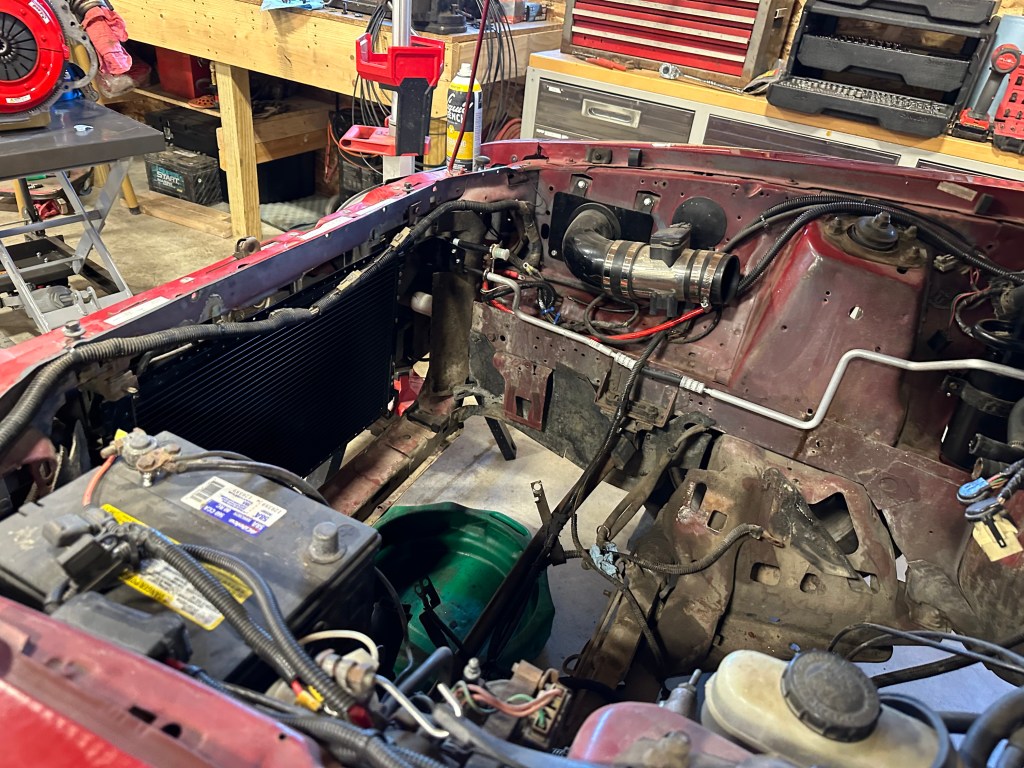
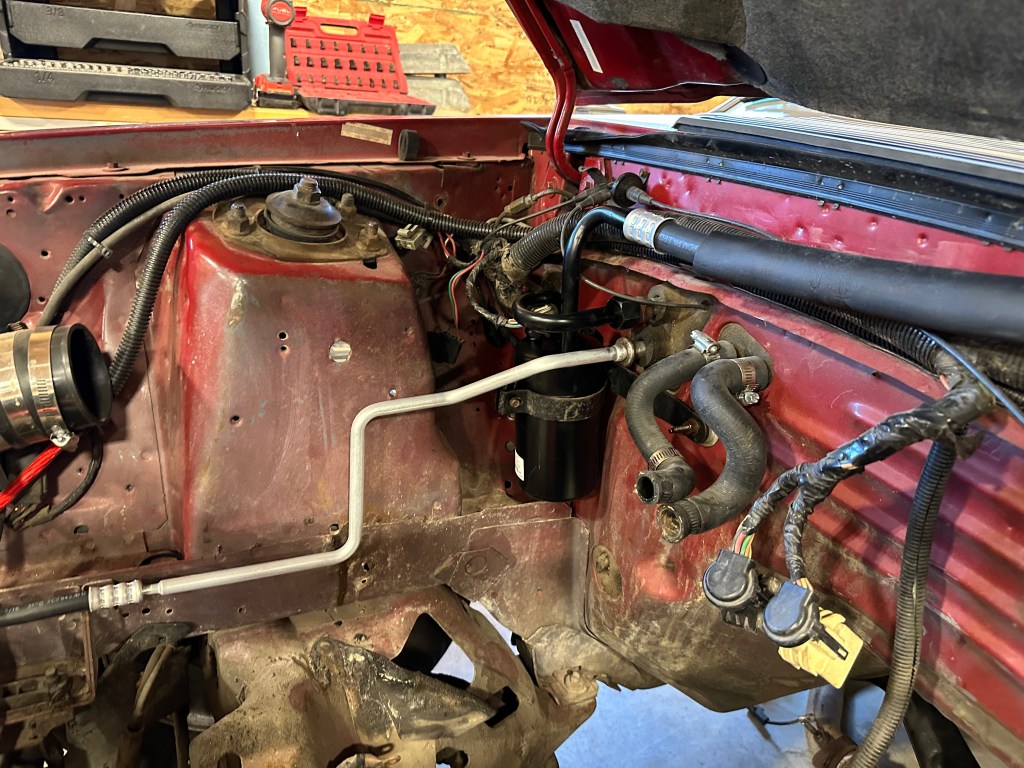
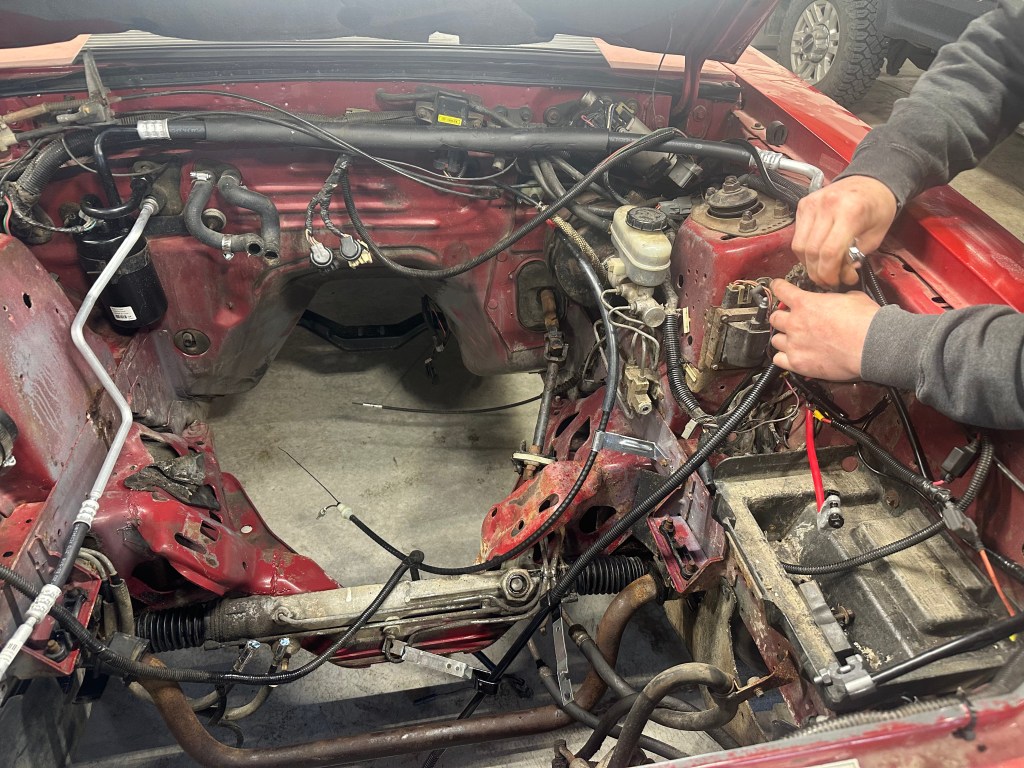
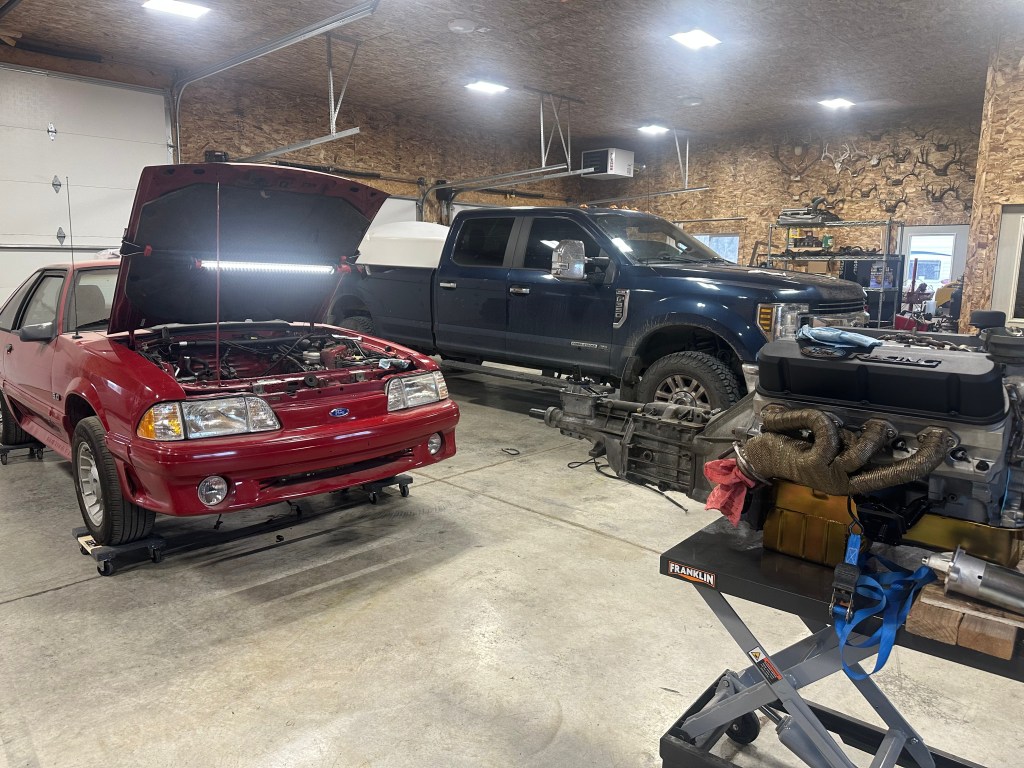
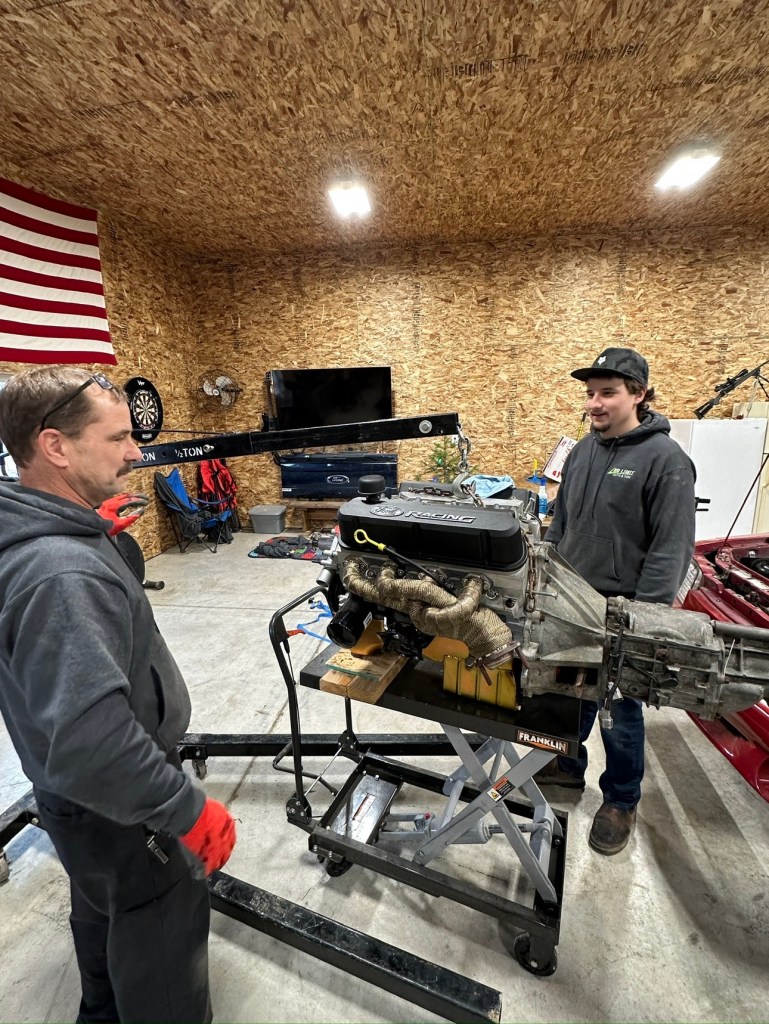
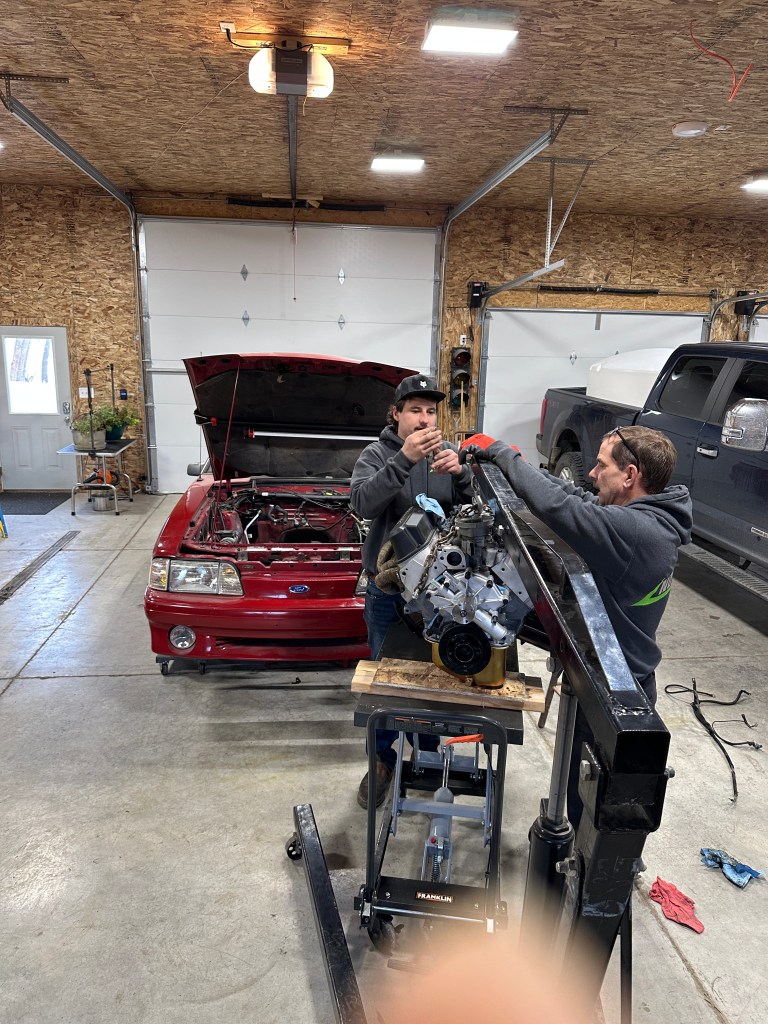
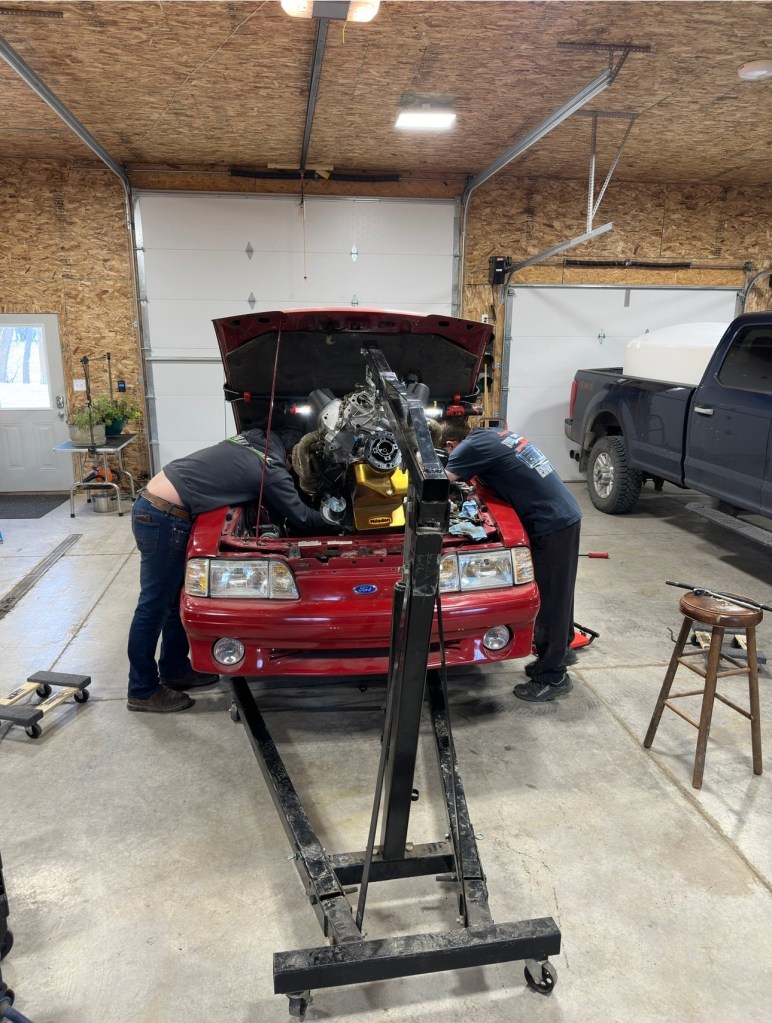
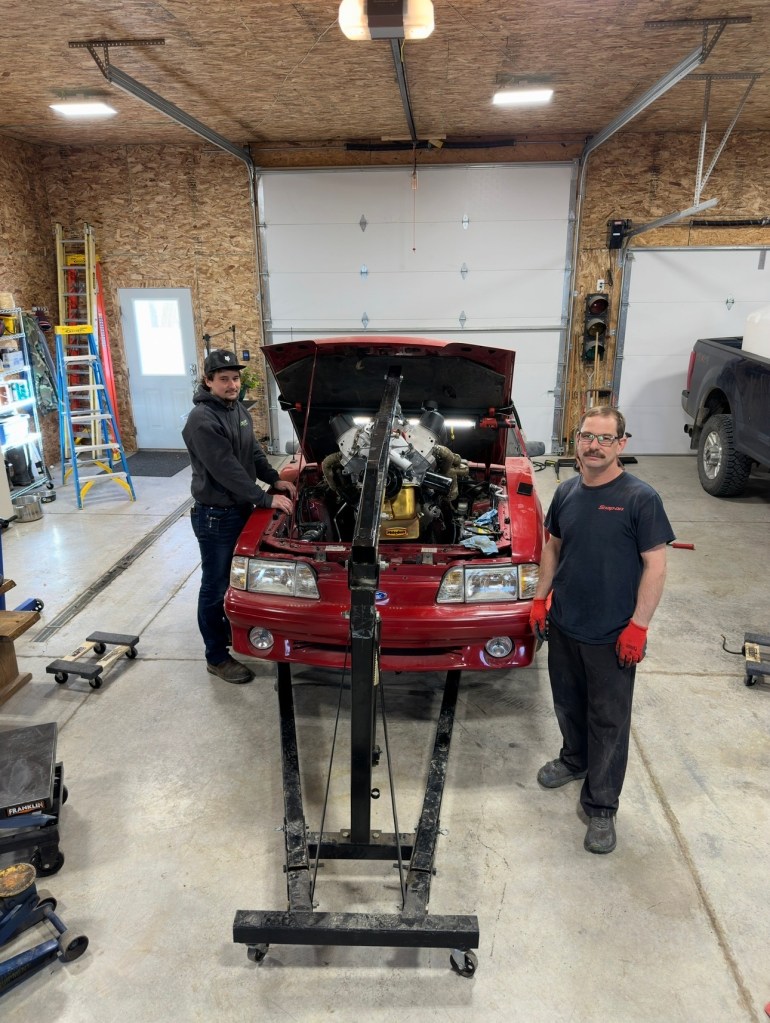
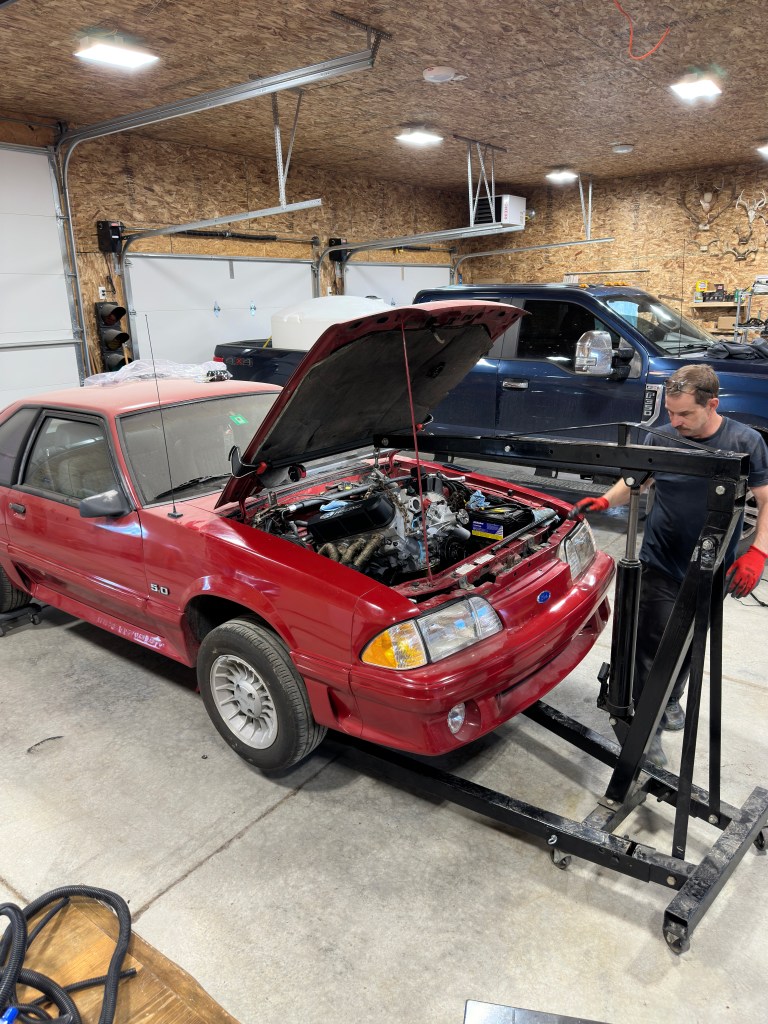
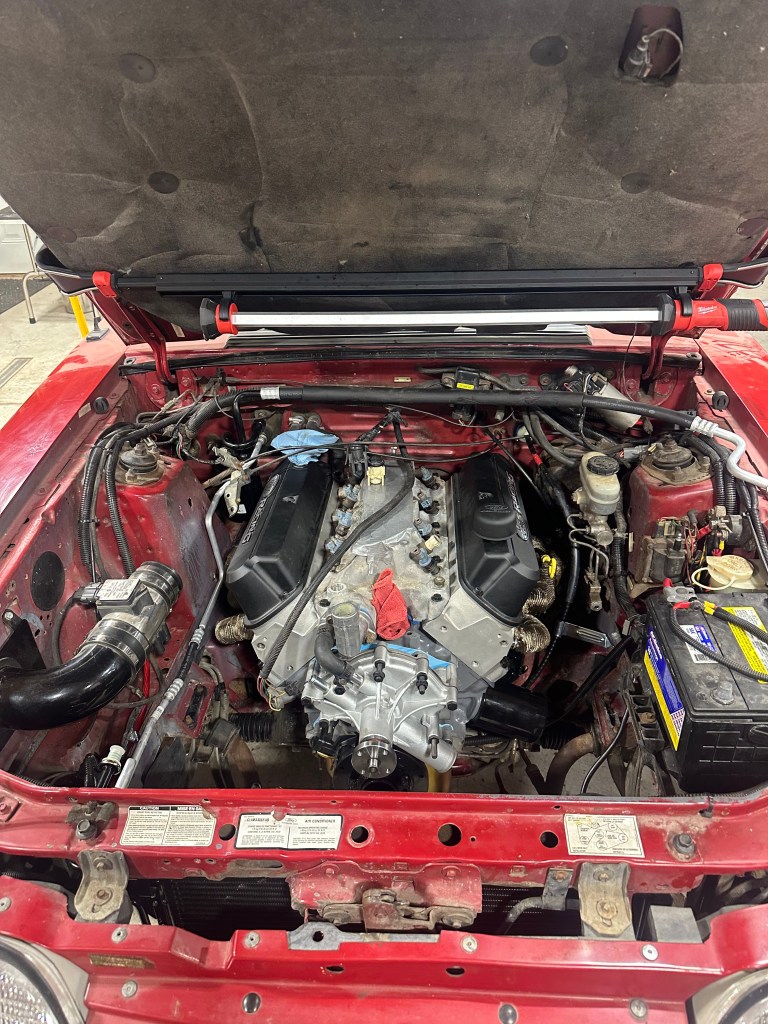
Because of the modifications to the engine, the factory fuel injection system was inadequate. To rectify this, I installed a Holley Terminator X fuel injection system, which included a completely programmable engine control module. This required me to remove the entire factory engine wiring harness and install the one supplied by Holley.
The Holley fuel injection system is able to self-learn. The above video is after it had been running for a while.
Now, because we got rid of the factory computer system, I had to go through and get all the gauges to operate correctly. It took a while, but I eventually figured it out and I was pretty fired up when I got the tachometer to work.
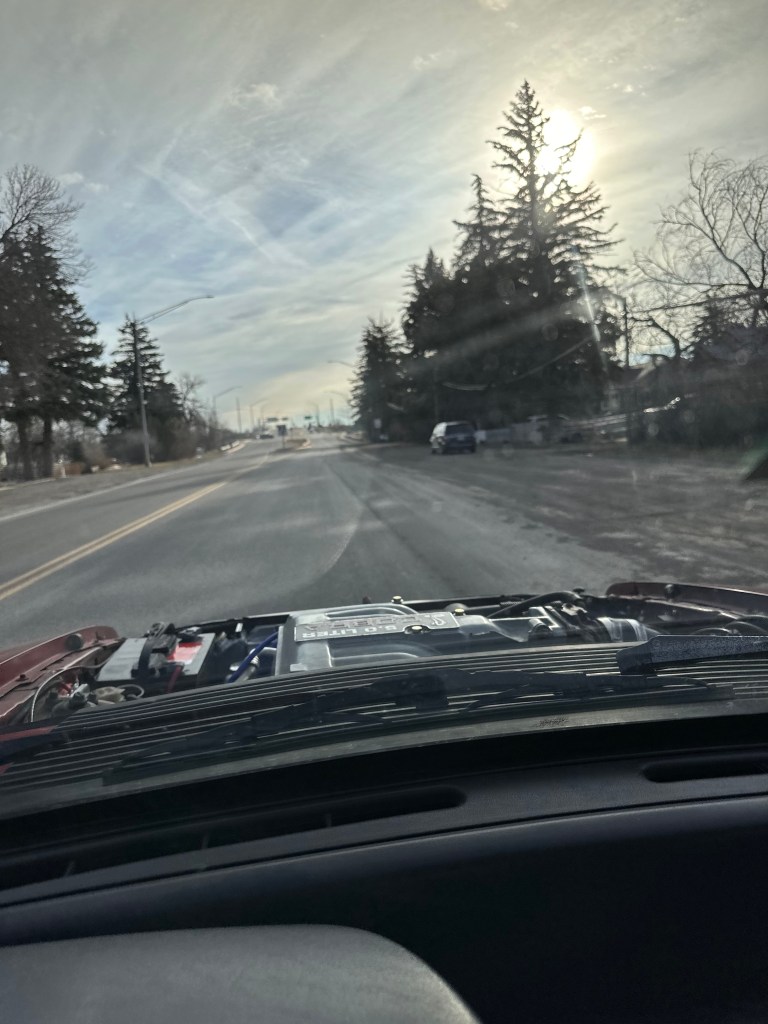
Since I had to put taller valve covers on the engine, I was forced to put a 1-inch spacer between the lower intake and the upper intake plenum. But then I was unable to close the hood!
I am currently on the lookout for a cowl hood, but until then I am allowed to drive it out here without a hood.
To be continued…

